


Student Population (Fall 2025)
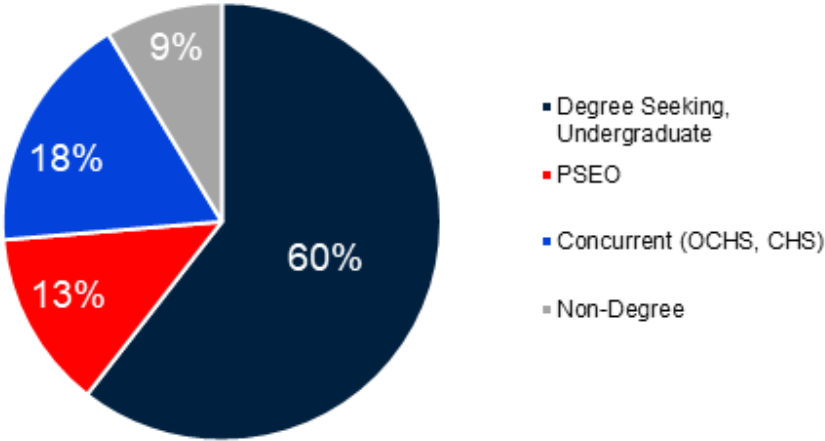
Student Category
The four primary categories of Northland students include traditional undergraduate students, high school students taking college credit at Northland (Post-Secondary Enrollment Options, PSEO), high school students taking college credit in high school (Concurrent Students; College in the High School and Online College in the High School), and Non-Degree Seeking students.
Fall 2025 10-Day Census
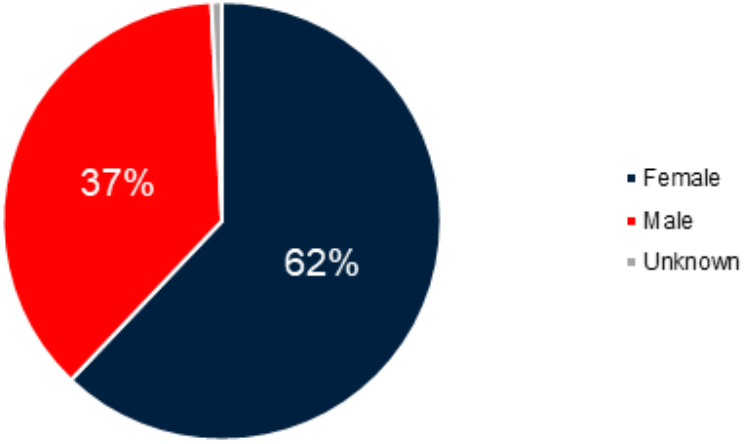
Gender
Gender refers to the socially constructed roles, behaviors, activities, and attributes that a given society considers appropriate for boys and men or girls and women. While aspects of biological sex are similar across cultures, aspects of gender may differ. Following Minnesota State guidelines, Northland reports gender in the binary (men/women) categories.
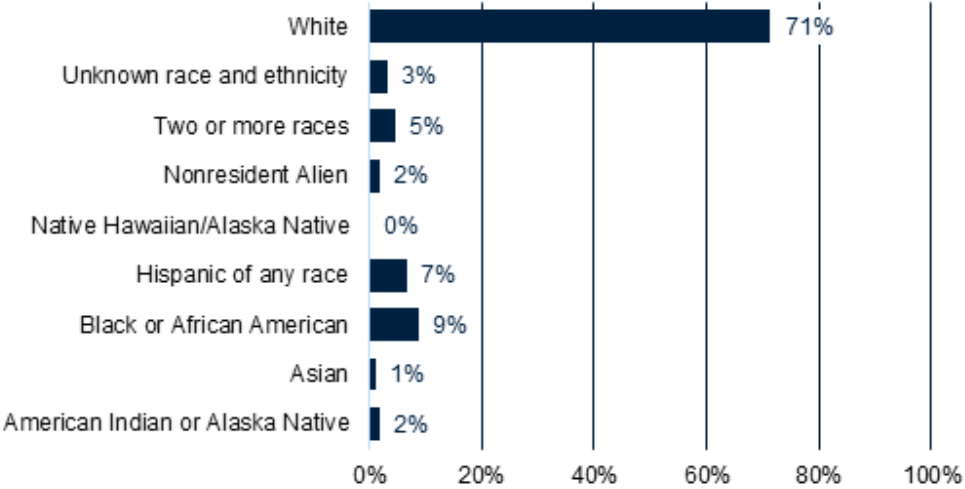
Race & Ethnicity
The students’ race and ethnicity are self-reported. Race and ethnicity categories were developed in 1997 by the Office of Management and Budget (OMB) to describe groups of individuals that they identify with or belong to in the eyes of the community. The categories do not denote scientific definitions of anthropological origins. All categories align with the IPEDS reporting algorithm.
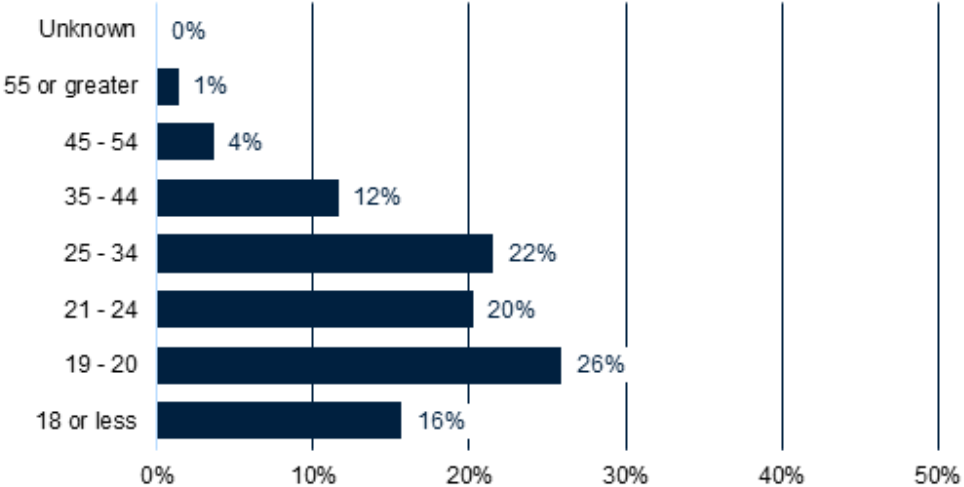
Age Distribution
Excluding concurrent enrollment, Northland tracks students’ age based on the following categories.
Fall 2025 Undergraduate Age
Student Credit Load
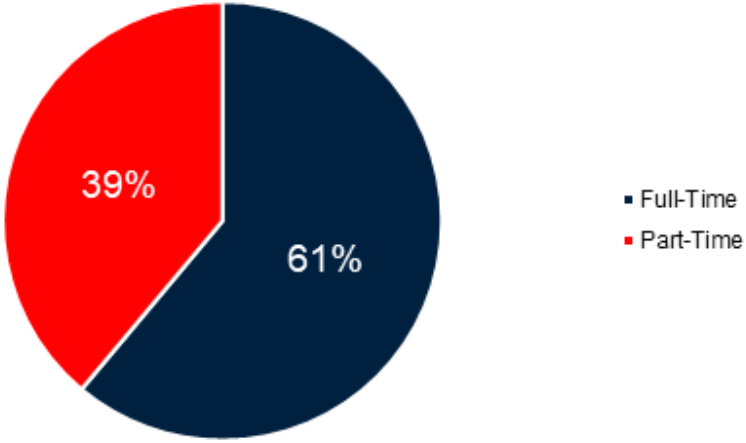
Excluding concurrent enrollment, Northland classifies a full-time student as an individual enrolled in 12 credits or more in a single semester, and a part-time student as one enrolled in 11 credits or fewer.
Fall 2025 Undergraduate Credit Load
Home Campus Enrollment
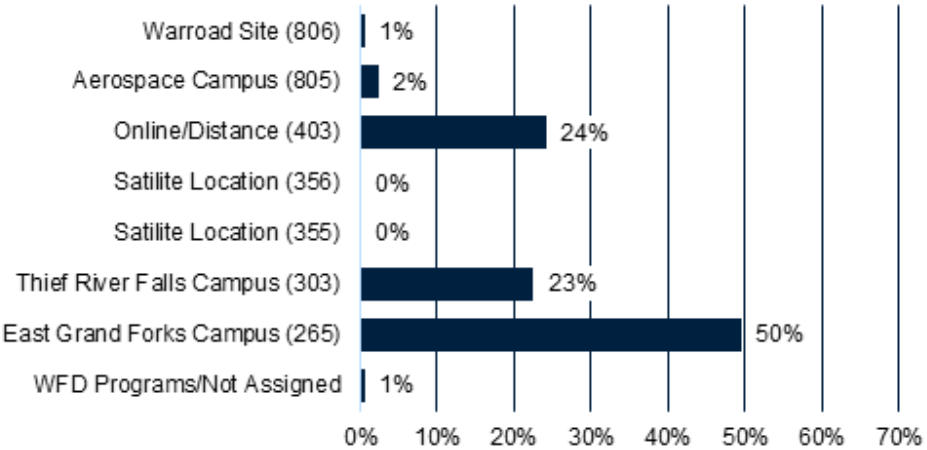
Northland designates a home campus for each student based on academic program and geographical location upon application. The following graphs illustrate the unduplicated headcount for each campus. Programs like Farm Business Management are linked with Northland’s Workforce Development Center; many of these programs do not assign a home campus.
Fall 2025 Undergraduate Home Campus Placement
Course Delivery
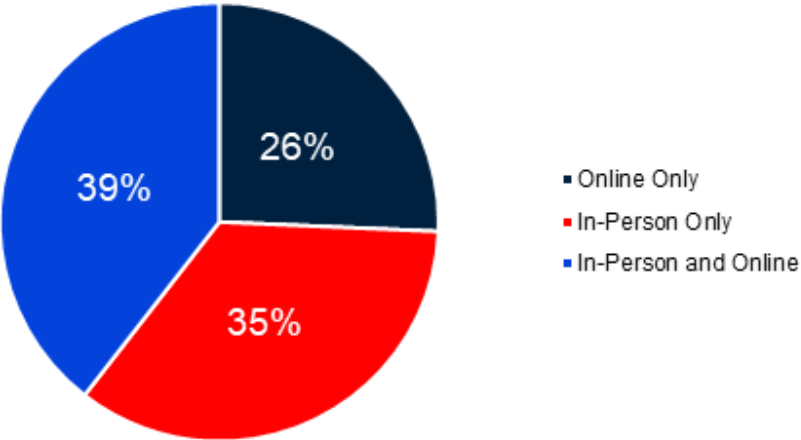
With technological advancements, Northland offers a range of options for students to attend classes. Excluding concurrent enrollment, students can take all in-person courses, a mix of In-Person and Online courses, or all Online courses.
Fall 2025 Undergraduate Course Delivery
First Generation Students
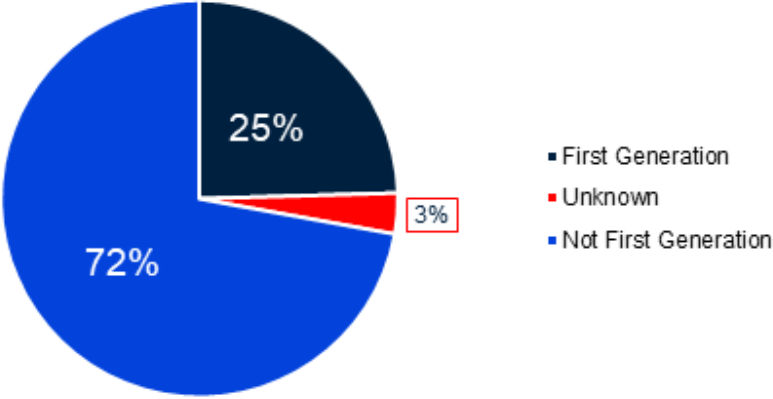
The Minnesota Department of Education defines first-generation students as individuals whose parents have not attended a post-secondary institution.
Fall 2025 Undergraduate First Generation (Minnesota)
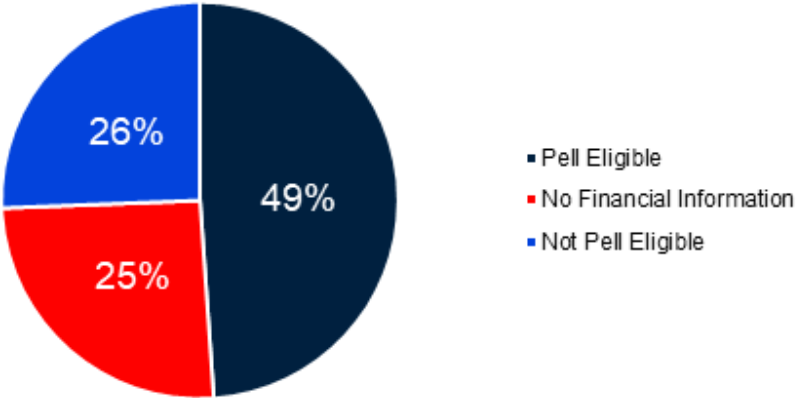
Pell-Eligible
A student who applied for a federal Pell Grant, an award for undergraduates who display exceptional financial need and who have not earned a bachelor’s, graduate, or professional degree. (U.S. Department of Education, n.d.)
Fall 2025 Undergraduate Low Income (Pell-Eligibility)
The information on this page is updated every year by October 31.
For more information on Northland student demographics, contact the Institutional Research Office at ir@northlandcollege.edu.